

Winter brings cold air, snowy landscapes, and a number of costly car repairs–especially on aging vehicles. Brakes, tires, and windshields are among the most common automotive components that winter takes its toll on.
When the temperature drops, glass is more susceptible to cracking and chips can quickly turn into spidering cracks. Windshield issues can be even worse if the wrong defrosting method is used or if cracks are ignored.
Let’s talk about how to prevent windshield cracks in winter, why auto glass is so vulnerable during winter, and what to do if you have a chip in your window.
How Do You Prevent Windshield Cracks in Freezing Weather?
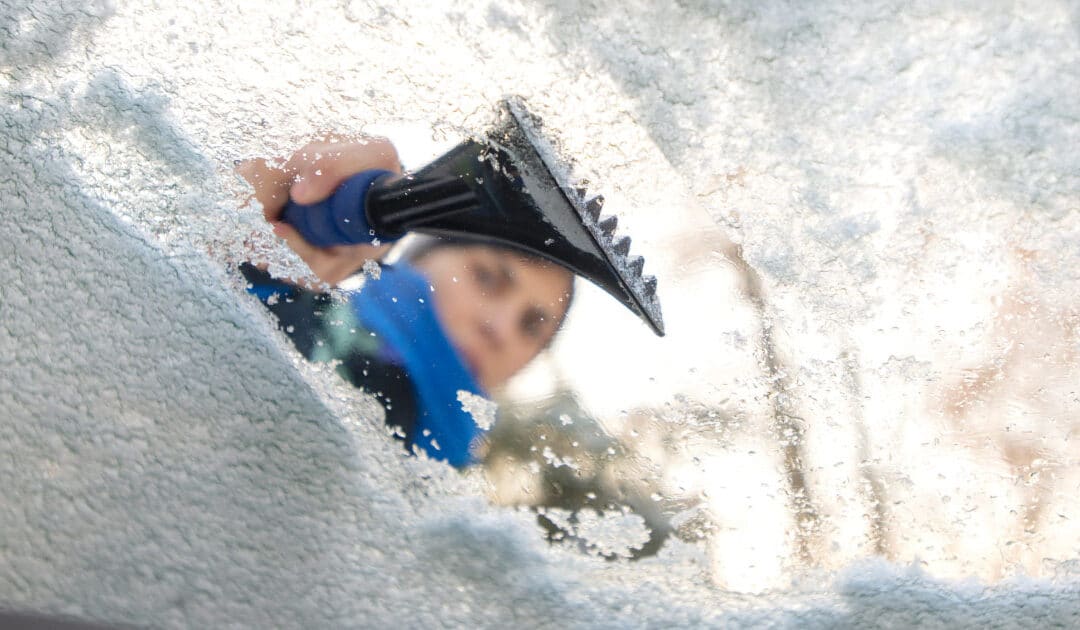
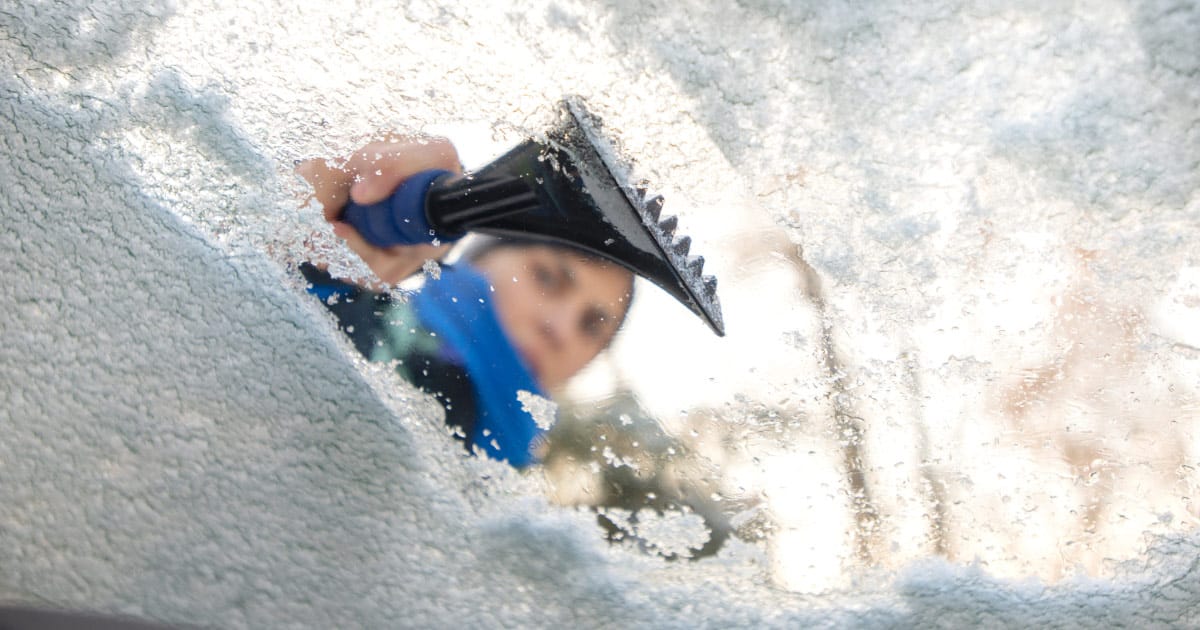
In freezing weather, prevent your windshield from cracking due to thermal shock by avoiding sudden temperature changes. Never pour boiling or hot water on cold glass. Instead, defrost the glass gradually using a plastic ice scraper, deicer, or start the vehicle and run the defroster.
Try to park in a garage or carport, or use a windshield cover to help prevent ice from forming. If covered parking isn’t an option, it also helps to fill up with winter washer fluid and install new wiper blades to help remove frost before driving.
You should also get windshield chips fixed before the cold sets in, because small rock damage can spread quickly if water freezes inside them and expands.
Why Windshields Are More Prone to Cracks in Freezing Weather
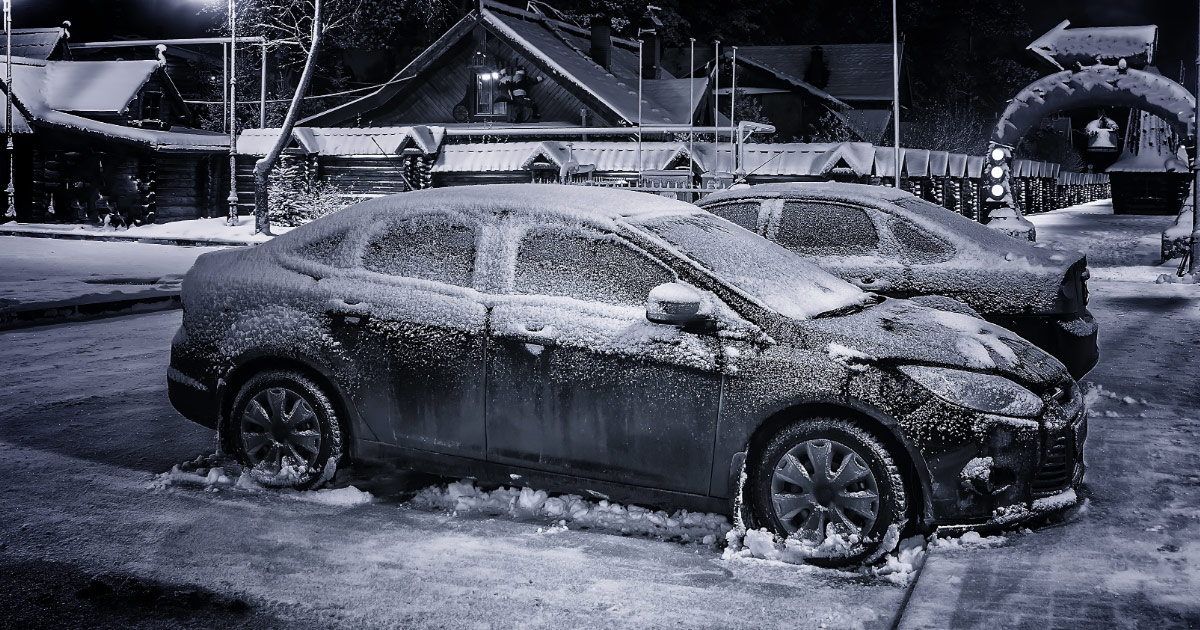
When temperatures fluctuate, your car’s glass contracts when it’s cold and expands when it’s warm. These molecular-level shifts in the glass create tension, which, in turn, leads to cracking. If the glass already has minor imperfections or chips, these can be accentuated with the changes in temperature.
Existing chips or cracks are made worse during winter due to water seeping into them and expanding when freezing. The colder it gets, the more brittle your glass tends to be, which makes existing damage more likely to worsen.
Thermal shock happens with sudden temperature changes. Two of the most common types of thermal shock on windshields happens when pouring on hot water to melt ice or blasting the defroster heating. Both forms can crack perfectly good glass or make existing chips and cracks worse.
7 Best Ways to Prevent Windshield Cracks in Cold Weather
Here’s how to keep your windshield from cracking in freezing temperatures.
#1 Park in a Garage or Use a Windshield Cover
Parking under a covered space or in a garage is the best way to protect your car from ice, snow, and frost. If you can’t find a garage or carport to park under, consider buying a windshield cover. Not only will a cover keep your glass protected, it also makes getting going in the mornings faster as you don’t have to spend time defrosting your window.
#2 Defrost Gradually
Defrost your glass slowly by setting your defroster on low and gradually increasing the temperature. This can reduce the chance of damage due to the thermal shock of warm interior air meeting with ice-covered glass.
#3 Avoid Pouring Hot Water on a Frozen Windshield
It may be a quick way to get going in the morning, but pouring hot water over an icy window can lead to instant cracking.
#4 Use a Soft Ice Scraper & De-Icer Spray
Get a plastic ice-scraper that won’t scratch the glass and use it in conjunction with a deicer spray while you wait for your vehicle to warm up enough to use the defroster.
#5 Check for Existing Chips & Get Them Repaired Early
Get chips repaired before the temperature drops as these chips can quickly turn into large cracks due to the cold.
#6 Use Winter-Grade Windshield Washer Fluid
Frozen windshield wiper fluid is useless for trying to clear frost and debris off. Instead, look for a winter-grade washer fluid that can withstand temperatures in excess of -20 Fahrenheit.
#7 Replace Old or Worn-Out Wiper Blades
Old wiper blades can be useless when their rubber is brittle or broken and can even cause scratches on your windshield. It’s a good idea to replace aging wipers before winter to make sure they work when you need them to.
What to Do If You Notice a Small Crack or Chip
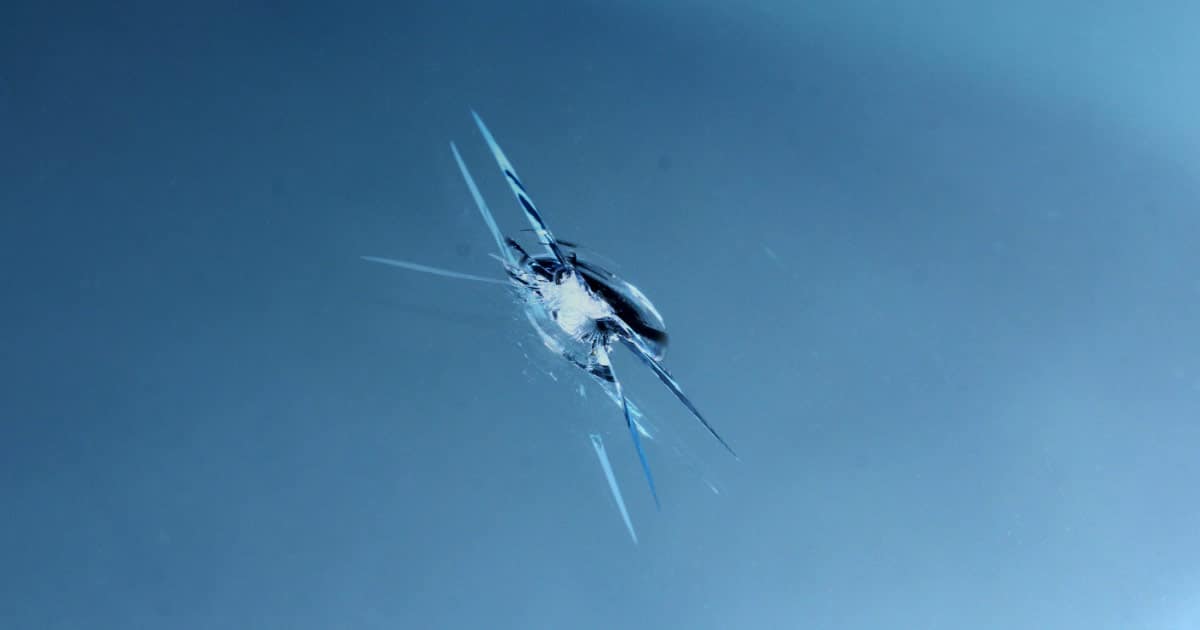
If you notice a crack or chip on your car’s windshield, get it fixed as soon as you can and definitely do it before the cold sets in. If you can’t get your chip professionally fixed, you might want to invest in a DIY repair kit for a temporary patch that can help prevent the issue from getting worse.
You should also try to avoid rough, bumpy roads, including potholes or anything else that can cause vibrations. Don’t slam doors either as these can all lead to cracks getting bigger.
When to Replace Your Windshield in Winter
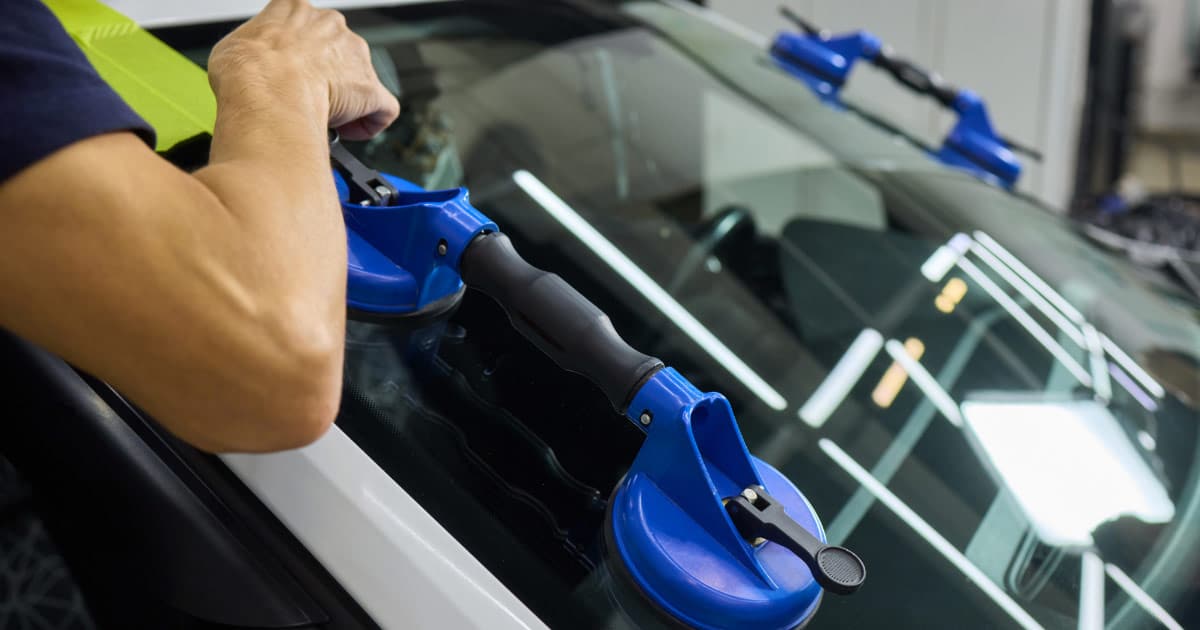
If your windshield has a long, deep crack that appears to continuously be growing, you definitely need to have your glass professionally replaced. If your window’s damage is blocking your line of sight or is causing sun glare, it’s time to have the windshield replaced.
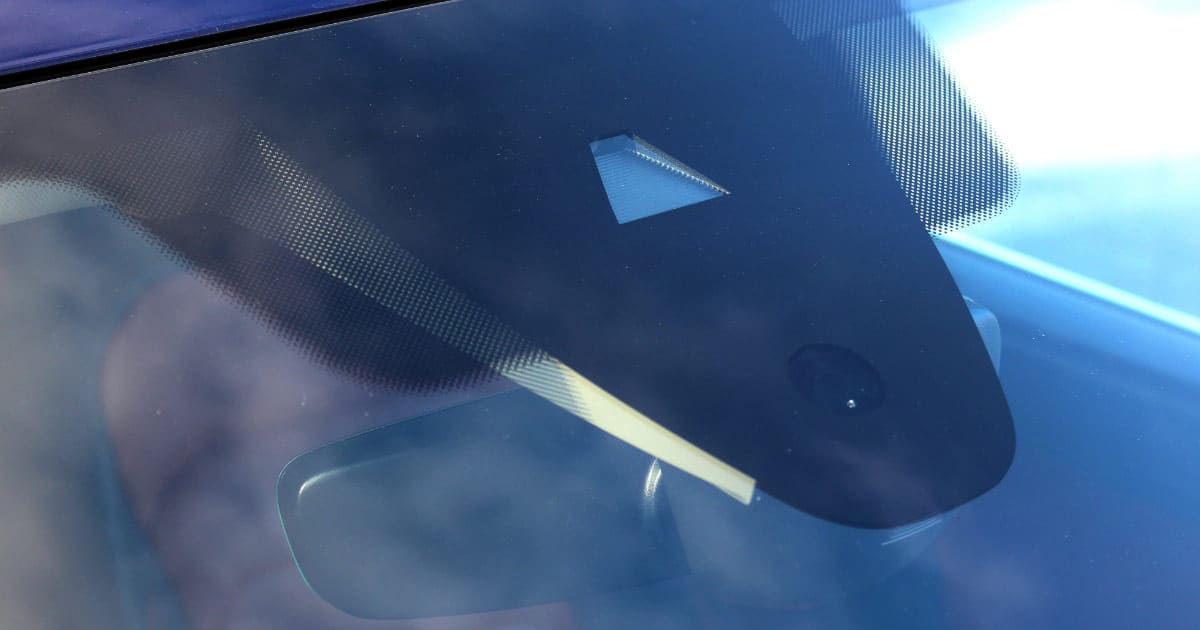
If your advanced driver assistance systems (ADAS) is obstructed or impaired due to damage, you may need to get a full windshield replacement.
12 Freezing Weather Window Damage Prevention FAQs
Below we’ve answered a number of questions that we regularly receive from customers. If you don’t see the answer to your question, please reach out directly. Our team is friendly and anxious to help!
1. Can Cold Weather Crack a Windshield by Itself?
Yes, especially when the temperature changes rapidly. When the glass gets cold, it contracts. Then, when the defroster or sun shines on the glass quickly, it can cause the glass to experience thermal shock due to a rapid change in temperature. In addition, existing stress points or extremely small imperfections can worsen and crack as temperatures change, especially if the glass is older.
2. What Temperature Causes Windshield Cracks?
There is not one specific point at which a windshield cracks however most windshield damage occurs when a windshield experiences sudden temperature changes such as a freezing night followed by a very warm defroster or when water inside a chip in the glass freezes and expands. The greater the temperature difference the greater the potential for windshield damage.
3. Is It Safe to Pour Hot Water on an Icy Windshield?
Using hot water to de ice a windshield can quickly heat the outside of your windshield and make the inside much colder, causing a quick change in temperature and creating thermal shock. This could potentially cause an immediate fracture of your windshield along existing cracks. It is also very dangerous because you run the risk of damaging the glass if there is any existing chip or stress fracture that is not visible.
4. What Is the Safest Way to Defrost a Windshield?
To begin defrosting your windshield and de icing it, make sure your defroster is set to low and gradually turn up the heat as the windshield warms up. To remove ice from your windshield without using excessive force, use either a plastic scraper or de icer spray. By not blasting your cold windshield with high heat, you minimize the chance of creating thermal shock.
5. Can a Small Chip Spread Faster in Winter?
Absolutely! Water will enter a small chip, where it will freeze and form an expanded area on the outside of the chip; as cold temperatures will create a compound to make glass brittle, vibrations from potholes, closing doors, and bad road conditions can quickly just by expanding the small chip into a large crack!
6. Should I Repair a Windshield Chip Before Winter?
Definitely! Repairing chips early is one of the easiest ways to avoid cracking in winter. Once the temperatures drop, the chance for the chips to spread increases because of water freezing and expanding as well as thermal shock. Repairing chips early is almost always cheaper, quicker, and more likely to last.
7. Can Worn Wiper Blades Damage the Windshield?
Old windscreen wipers can become worn, develop hard, cracked rubber and drag abrasive particles across windscreen surface, potentially causing scratches and reducing your ability to see through your car windows. Although scratches do not always lead to cracks on the glass, damaged glass is likely to be more susceptible to cracking during the winter months. Therefore, you should replace worn-out windscreen wipers prior to the arrival of freezing temperatures.
8. What Windshield Washer Fluid Should I Use in Winter?
Use cold weather windshield washer fluid rated for freezing temperatures (commonly -20°F or lower) to keep the reservoir and hosing from freezing and to effectively remove road salt and dirt. Do not add water to this type of washer fluid, as it freezes much faster.
9. Can Blasting the Defroster Crack a Windshield?
High temperatures can make contact with an ice-cold windshield, causing thermal shock that creates cracks in undamaged glass and severely damages pre-existing chips. A much better approach is to warm it at a slow and gradual rate starting out low, increasing gradually, using deicer, and using a gentle scraping motion.
10. When Does a Windshield Need Replacement Instead of Repair?
If a crack is deep, long, spreading, or visible to the driver, then it usually requires a vehicle glass replacement. A vehicle glass replacement is also required if the damage reaches an edge or affects ADAS advanced driver assistance systems cameras or sensors. A glass repair shop is able to tell you whether your windshield can be safely repaired.
11. Do DIY Windshield Repair Kits Work in Winter?
In colder weather, the results of resin castings can vary even more than they do in warmer weather. Cold temperatures can cause resin to not flow or cure correctly, which results in less durability. For a short term fix, a DIY kit can act as a Band-Aid; however, an experienced professional provides a much stronger and more reliable repair, especially if freezing conditions continue.
12. How Fast Should I Fix a Windshield Chip in Cold Weather?
The sooner you see a crack, ideally within two days, the better. If you wait until after freezing weather conditions set in, the cracks have a chance to grow faster because moisture inside the chip freezes and causes excessive vibration. The faster you repair a crack, the more you keep it from growing and making repairs harder or more costly.
Get Full Windshield Repair & ADAS Configuration in Flagstaff
Make cold weather windshield protection part of your winter preparations. If you have a chip, get it patched sooner rather than later to save money. If you have a crack, don’t chance it and have your auto glass replaced so that your winter travels are that much more safe.
If you live in Flagstaff, reach out to Inspector’s Auto Appearance for professional auto glass services that you can rely on. Click or call today to schedule your appointment.